Iowa Prepares for Large-Scale U.S. Army Detonation of Deteriorating Explosives
Iowa is preparing for a U.S. Army detonation of nearly five tons of deteriorating lead-based explosive in Middletown. State officials have launched a resource page and are coordinating public health guidance, environmental monitoring, and resources for potentially affected farmers, citing…

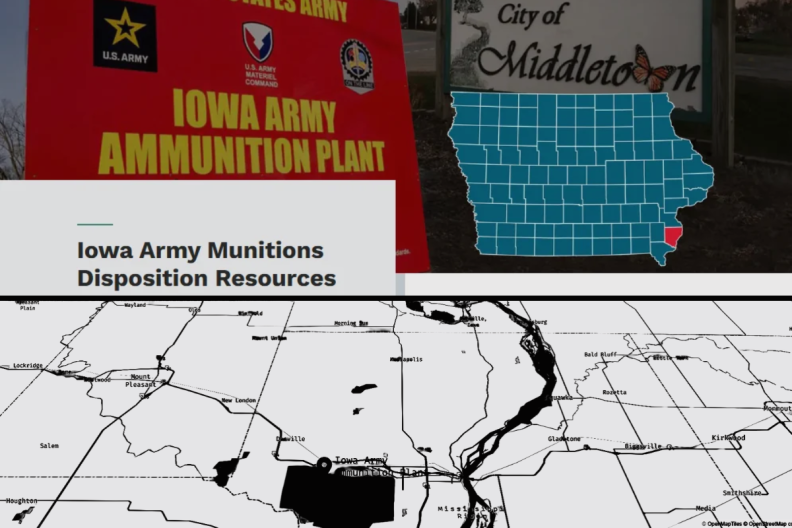
 Des Moines Ames, IA, November 22, 2026 —
Authorities in Iowa are commencing preparations for a significant U.S. Army operation involving the detonation of nearly five tons of deteriorating explosive material in Middletown. The explosive is described as lead-based and is reportedly in a state of decay.
State officials have initiated a coordinated response to manage the risks associated with the planned detonation. A dedicated resource page has been launched to disseminate information and provide updates to the public. The response includes a multi-faceted approach focusing on public health guidance, comprehensive environmental monitoring, and the provision of necessary resources for potentially impacted agricultural communities in the vicinity.
The primary concerns driving these preparatory measures stem from the material’s noted instability. The summary indicates specific worries regarding its potential for spontaneous explosion, a risk exacerbated by the onset of cold weather conditions.
Details regarding the specific type of explosive, the exact timeline for the detonation, and the comprehensive scope of the environmental monitoring efforts were not explicitly detailed in the provided summary. However, the proactive stance taken by state officials highlights the seriousness with which the potential hazards are being addressed. The coordination involves multiple state agencies working in conjunction with the U.S. Army to ensure the operation is conducted with maximum safety precautions.
Potentially affected farmers are being identified and arrangements are being made to offer them support and information pertinent to their operations and property. This includes guidance on safeguarding livestock and agricultural land from any potential fallout or environmental impact. The focus is on mitigating disruption while ensuring the safe removal of the hazardous material.
The U.S. Army’s involvement underscores the nature of the material as military-grade ordnance. The quantity, estimated at nearly five tons, indicates a substantial scale for the operation. The decision to detonate in situ, rather than transport, suggests that the material’s condition makes on-site destruction the safest available method.
Further updates are expected as the operation draws closer and more specific details regarding the safety protocols and environmental safeguards become available through the state-run resource page.
Story summarized from the original created by Tom Barton on www.iowapublicradio.org, see more information here.
Media gallery