
Army Cancels Contract for Explosives Treatment at Iowa Plant, Plans Detonation Amidst Lead Dust Concerns
The U.S. Army canceled a contract for chemical treatment of deteriorating toxic explosives at the Iowa Army Ammunition Plant in Middletown. Instead, the Army plans to detonate the unstable lead azide, a decision that has led to legal challenges and…

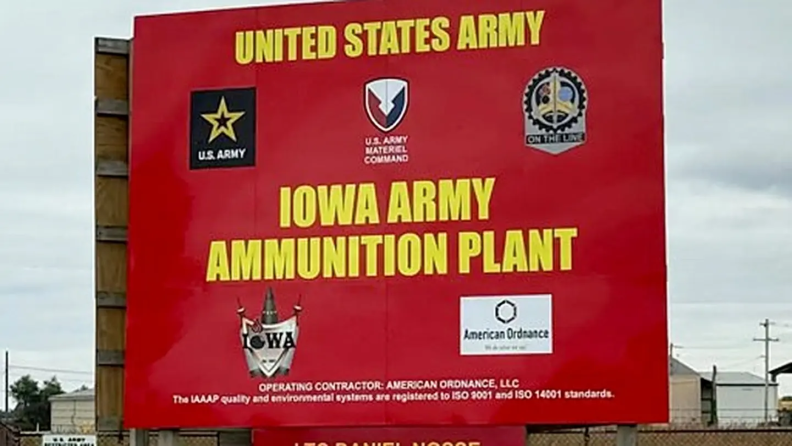
 Des Moines Ames, IA, November 21, 2026 — The U.S. Army has canceled a contract that was intended for the chemical treatment of deteriorating toxic explosives located at the Iowa Army Ammunition Plant in Middletown. This decision marks a significant shift in the approach to managing hazardous materials at the facility.
In place of the previously planned chemical treatment, the Army now intends to detonate the unstable substance known as lead azide. This explosive material is reported to be deteriorating and poses a risk.
The Army’s decision to proceed with detonation has not been without consequences. The move has reportedly triggered legal challenges and resulted in temporary holds being placed on the planned activities. These actions stem from concerns raised regarding potential lead dust contamination that could arise from the detonation process.
Details regarding the specific contractors involved in the canceled chemical treatment contract were not provided. Similarly, the exact nature of the legal challenges or the parties initiating them was not disclosed in the available information. The timeline for the planned detonation and any potential resolution of the ongoing legal challenges or holds remains unclear.
Lead azide is a primary explosive often used as a detonator. Its stability can be compromised over time, necessitating careful handling and disposal. The concerns about lead dust contamination highlight the environmental and public health considerations associated with managing such materials, particularly in populated areas.
The U.S. Army’s Iowa Army Ammunition Plant has historically been involved in the production and demilitarization of various munitions. The current situation underscores the complexities and challenges involved in maintaining the safety and environmental integrity of facilities handling aging and volatile chemical compounds.
Story summarized from the original created by Tom Barton on www.iowapublicradio.org, see more information here.
Media gallery
