The cameras were there. The footage wasn’t
Videoloft reports that many security cameras in public areas fail to capture footage due to outdated systems, leading
Press Release Disclaimer: This is a press release distributed through the XPR Media network. It has not been independently verified by our newsroom.

Baangron // Shutterstock
The cameras were there. The footage wasn’t
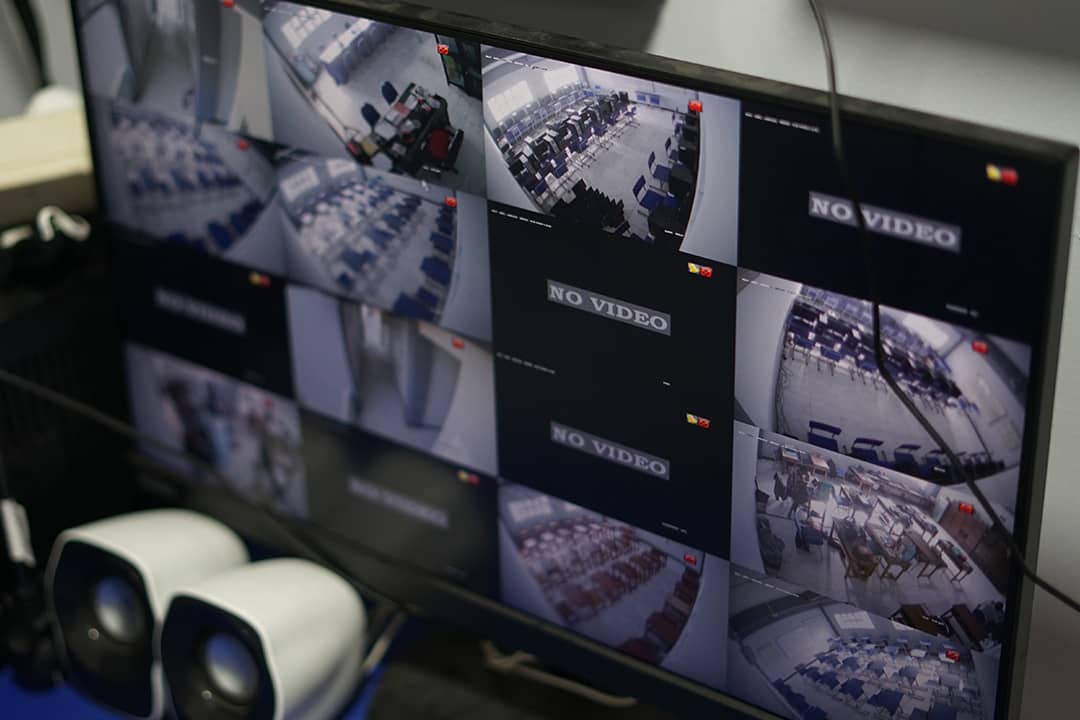
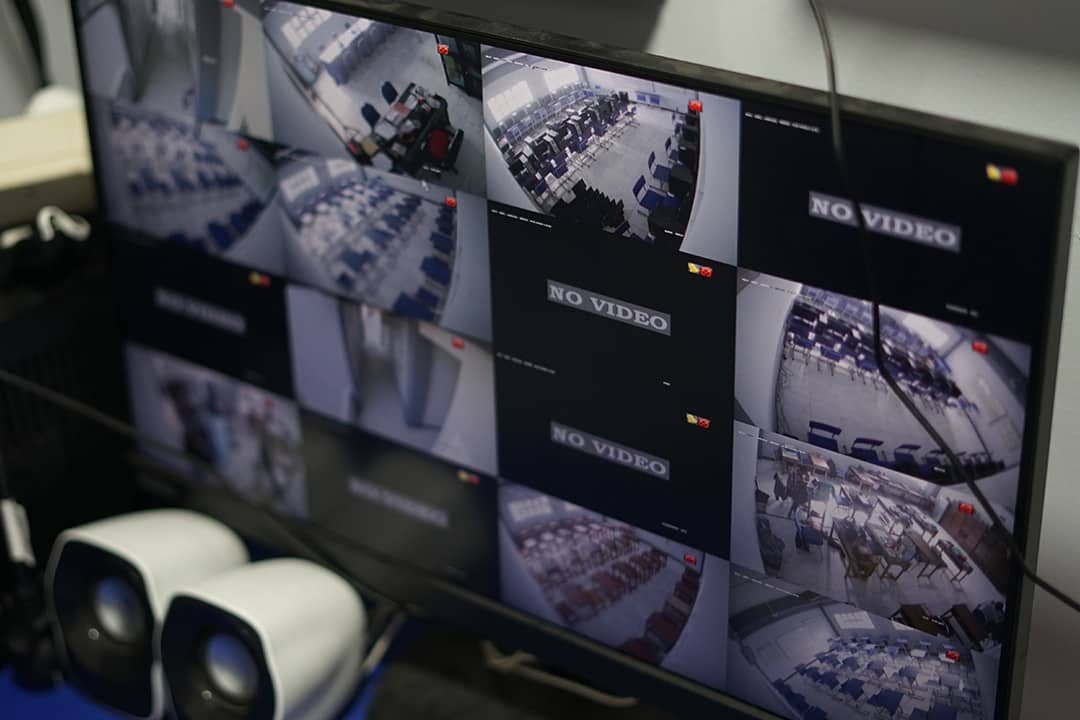
Security cameras are commonplace across schools, police departments, jails and government buildings. Their presence helps reassure the public that if something goes wrong, there will be a record of it. However, it doesn’t always play out that way.
In an Ohio jail, camera footage froze while some prisoners were suffering medical emergencies. A Georgia school district had hundreds of cameras offline on some days. At a Hawaii prison, around 40% of cameras were found to be out of service.
These problems all had different causes. Some cameras were too old for the storage system behind them. Others resulted from failing servers. Some cameras were never even activated. In other cases, the cameras worked, but oversight and record-keeping didn’t.
There is no national record of how many public-sector cameras have failed. But recent audits and investigations show that having cameras installed doesn’t always mean usable footage will be available when needed.
An Ohio jail knew its cameras were failing for four years
In January 2022, officials at the Cuyahoga County Jail in Ohio discovered that more than 100 of their Sony cameras were not reliably sending recorded footage to the county’s video storage system.
However, the cameras remained in use, and nothing was done until April 2026. During that four-year period, cameras sometimes stopped recording for minutes, and recordings skipped important frames, according to an investigation by The Marshall Project.
In July 2024, two cameras at the prison froze as an officer approached the cell of Michael Papp, who was later pronounced dead. In February 2025, Jennifer Wade died in the jail’s mental health unit. Officers recorded in a written log that they had performed checks every 30 minutes; however, the surveillance footage stopped before they got to Jennifer Wade’s cell. Investigators were unable to use the video to see how often those checks were carried out.
A month later, footage froze for longer than three minutes after Nathan Kinney suffered a fatal heart attack in the jail’s gym.
The county eventually allocated $220,000 to replace the outdated cameras; by this point, officials had known about the fault for four years.
Hundreds of school cameras were listed as offline
Outdated systems also affected the DeKalb County School District in Georgia.
An investigation by WSB-TV found that 637 school security cameras weren’t working on one day in June 2023. Furthermore, the investigation discovered that between November 2022 and January 2024, an average of 300 of the district’s 7,800 cameras were not working.
It is thought that the problems were related to old servers and software. Photos showed fans being used to cool server equipment, and an email sent by the district’s chief information officer in April 2023 described the problem as dangerous.
These figures highlight the fact that a system’s camera count says very little about its health. A district might have thousands of cameras, whilst still having important gaps at schools or other entrances.
At a Hawaii prison, 40% of the cameras were broken
Staff at the Women’s Community Correctional Center in Hawaii told a state oversight commission in 2022 that 40% of their cameras were not working.
The problem became even bigger after current and former inmates accused some employees of sexual assault. Some of the alleged assaults occurred in rooms with cameras that weren’t working, or control booths that weren’t covered.
The state later agreed to a $2 million settlement, and work began on installing new cameras at the prison. The Associated Press reports that the project included coverage of blind spots and people entering and leaving the control booths.
Having the camera footage may not have prevented the alleged incidents, but their failure meant an important source of evidence couldn’t be used.
Federal auditors found there was no clear responsibility for repairs
The US General Services Administration (GSA) looks after around 9,000 federally owned and leased buildings. Thus far, responsibility for maintaining and protecting these buildings is shared between the GSA and the Department of Homeland Security.
After a 2022 inspector general audit of cameras and alarms across the buildings, recommendations were made for a nationwide assessment, a plan to repair or replace failing systems and clearer responsibility for completing the work.
A green light status doesn’t always mean a camera is working
These cases show several ways in which video surveillance footage can be lost:
- A camera is broken or offline
- An old camera can’t communicate with the storage system
- A server or network fails
- Video exists, but cannot be retrieved
Some of these failures are obvious right away; others only become apparent when someone tries to access the recording. Simply checking that a camera is online is therefore not enough. Organizations need to routinely test whether recordings can be found and exported.
Retention also needs to match the organization’s requirements. A recording may be technically successful and still be unavailable if it is automatically deleted before a complaint, insurance claim or investigation.
What a functional camera program should actually measure
While the number of cameras installed is an easy figure to publish, more useful metrics include:
- The percentage of cameras recording
- How quickly an offline camera is detected
- The time between a fault being reported and repaired
- Whether cameras are compatible with servers and software updates
- How long footage is retained
- How quickly authorized staff can retrieve a recording
While these checks can’t guarantee that every incident will be effectively captured, they can highlight whether a system is being actively managed or simply assumed to work.
Many organizations and public bodies often talk about camera installation in terms of how many devices have been bought and how much money was spent. Perhaps another question ought to be: When something important happens, is there usable footage?
In Cuyahoga County, DeKalb County and Hawaii, the answer was sometimes no.
This story was produced by Videoloft and reviewed and distributed by Stacker.